Body transport—often referred to as the “first call” in the funeral and death care industry—is the process of transferring a deceased individual from the place of death to a mortuary, funeral home, or medical examiner’s office.
This critical phase of the death care continuum requires a specialized balance of logistical precision, physical safety, and emotional empathy. Implementing best practices ensures that the deceased is handled with the utmost dignity while protecting the transport personnel from physical injury and biohazardous exposure.
The Strategic Importance of the First Call
In the death care space, the first call is the foundation of the service provider’s reputation. Maintaining rigorous standards during this phase is essential for:
-
Reputational Integrity: Professionalism during transport reflects the quality of the entire funeral home or removal service.
-
Risk Mitigation: Proper techniques prevent workplace injuries, such as back strain, and reduce legal liabilities.
-
Regulatory Compliance: Adhering to local health and safety mandates regarding the handling of human remains.
Core Best Practices for Professional Body Transport
1. Preparation and Equipment Readiness
A seamless removal starts with a “ready-state” approach. Transport teams should ensure the following are prepared before arrival:
-
Vehicle Standards: Use clean, unmarked, and professionally maintained removal vans equipped with secure cot-loading systems.
-
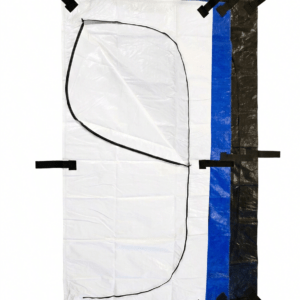
Removal Kit: This must include a high-quality mortuary cot, leak-proof body bags, personal protective equipment (PPE), and sanitizing agents.
-
Identity Verification: Always match death certificates, tags, or hospice discharge papers with the identity of the deceased before any movement begins.
2. Personnel Safety and Ergonomics
Mortuary transport is physically demanding. To protect the team:
-
Proper Body Mechanics: Lift with the legs, maintain a neutral spine, and use “power grips” to avoid injury.
-
Team Transfers: Never attempt a removal alone if environmental obstacles (stairs, narrow hallways) or the weight of the deceased pose a risk. Use multi-person teams as standard protocol.
-
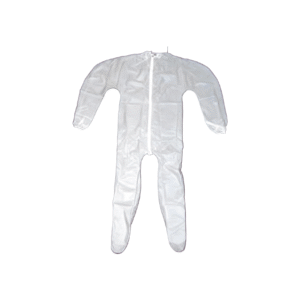
Biohazard Protection: Treat every removal with “Universal Precautions,” including gloves, masks, and eye protection to prevent exposure to bloodborne pathogens.
3. Maintaining Dignity and Professionalism
The “dignity” aspect is what defines a professional service.
-
The “Final View” Protocol: Ensure the deceased is covered with a professional cot quilt or funeral-grade shroud. Never use plastic bags as the visible outer layer in the presence of family.
-
Environmental Awareness: Maintain a somber, respectful demeanor. Avoid loud talking or using mobile devices in public view or near the bereaved.
-
Steady Transition: Moving at a deliberate, respectful pace during the transition to the vehicle reinforces the sanctity of the service.
Essential Equipment Checklist for First Calls
-
Mortuary Cot: Adjustable-height cots with safety straps.
-
Transfer Boards: To assist in moving the deceased from beds to cots without unnecessary lifting.
-
PPE Gear: Disposable gloves, aprons, and face shields.
-
Disinfectant Supplies: For cleaning equipment and surfaces immediately following the removal.
-
Digital Tracking: Software to record pickup time, location, and condition for chain-of-custody.
Questions & Answers: Navigating Transport Challenges
Q: How should transport teams handle removals in tight spaces or multi-story buildings?
A: Use specialized equipment like stair chairs or flexible stretchers. If the path is obstructed, coordinate with the family or facility staff to clear a path that allows for a graceful and safe exit.
Q: What is the best way to handle remains when the cause of death is infectious?
A: Utilize double-bagging techniques and clearly label the remains with a biohazard tag. Ensure the transport vehicle is thoroughly decontaminated immediately after the transfer is complete.
Q: How does technology improve the body transport process?
A: Modern B2B operations use digital chain-of-custody software. Scanning identification tags at the point of pickup ensures 100% accuracy and provides real-time updates to funeral
Summary: The Standard of Excellence
Excellence in body transport is defined by the intersection of technical proficiency and human compassion. By adhering to strict safety protocols, utilizing the correct equipment, and treating every “first call” as a sacred duty, transport providers protect their staff and ensure a dignified transition for the deceased.
-
Safety First: Protect the team through ergonomics and PPE.
-
Dignity Always: Use professional shrouds and maintain a respectful demeanor.
-
Accuracy Matters: Implement rigorous ID verification and digital chain-of-custody tracking.