Cremation-safe materials refer to specific substances used in the construction of caskets, containers, and shrouds that can be processed in a cremation chamber (retort) without causing structural damage or harmful atmospheric emissions. For professional death care operations, material selection is a technical necessity that directly influences equipment maintenance costs, air quality standards, and operational safety.
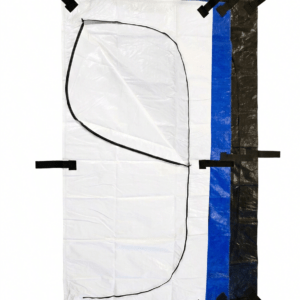
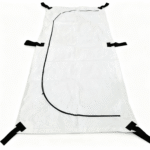
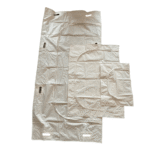
The phrase “cremation safe” is used frequently in product listings but is not always clearly defined. From a materials and operations standpoint, a truly cremation safe body bag meets three distinct criteria: it must not produce hazardous emissions when burned, it must not leave residual hardware or non-combustible debris in the cremation chamber, and it must structurally maintain integrity during transport and handling before the cremation process begins.
Standard polyethylene (PE) body bags, which are widely used in hospital and disaster settings, do not qualify as cremation safe in most crematory protocols. They combust at lower temperatures than a cremation retort operates, but the combustion byproducts — including chlorinated compounds from PVC closures and dioxins from certain dyes — are considered problematic under EPA and state air quality standards. Additionally, metal zippers, grommets, and reinforced rings are absolutely prohibited inside any cremation retort and can cause equipment damage and debris contamination of the cremated remains.
The Critical Link Between Materials and Retort Health
A cremation retort is a high-precision thermal instrument. Introducing non-compatible materials can lead to catastrophic equipment failure or costly operational downtime.
-
- Refractory Protection: Certain metals—specifically heavy zinc or thick steel—and high-gloss finishes can produce “slag.” This molten residue adheres to and degrades the refractory brick lining of the retort over time.
-
- Heat Spikes: Materials with high caloric values, such as thick plastics or heavy varnishes, can cause “runaway” fires, where the temperature exceeds the safe operating limits of the secondary chamber.
-
- Mechanical Blockage: Non-combustible items, including glass, heavy hardware, or electronics, can clog the hearth or damage the internal sensors and air jets required for efficient combustion.
Environmental Impact and Emission Compliance
Modern crematories must adhere to strict environmental regulations regarding the release of particulate matter and volatile organic compounds (VOCs).
Toxic Outgassing
Materials containing PVC (polyvinyl chloride) or certain treated leathers can release dioxins and hydrochloric acid when burned. These substances are harmful to the environment and can lead to heavy fines for non-compliance with local air quality boards.
Particulate Matter (PM)
Incomplete combustion of non-safe materials increases particulate emissions. Using cremation-grade corrugated fiberboard or natural softwoods ensures a cleaner burn, reducing visible stack emissions and the overall carbon footprint of the facility.
Industry Standards for Cremation-Safe Selection
To ensure maximum efficiency, death care providers should prioritize the following materials:
-
- Natural Wood Products: Unfinished pine, poplar, or engineered wood (MDF) without heavy metal-based stains or plastic laminates.
-
- Organic Textiles: Cotton, linen, or silk shrouds and clothing. Synthetic fibers like polyester can melt and cause stubborn buildup on the hearth.
-
- Bio-Polymer Liners: When leak protection is required, utilize biodegradable, cremation-safe films instead of traditional heavy-gauge plastic.
-
- Hardware Removal: Always remove metal handles, nameplates, and glass viewing lids before the cremation process begins to protect the internal chamber.
Essential Materials Checklist for Crematory Operators
| Material Type | Safe for Cremation? | Potential Impact |
| Untreated Wood/Bamboo | Yes | Low emission, clean burn. |
| Cardboard/Fiberboard | Yes | Fast combustion, low residue. |
| PVC / Vinyl | No | Releases toxic hydrochloric acid. |
| Heavy Zinc / Lead | No | Damages refractory lining and hearth. |
| Polyester Clothing | Limited | Can melt and create stubborn residue. |
Questions & Answers: Material Science in Cremation
Q: Why is it necessary to remove pacemakers and medical implants before cremation? A: Pacemakers contain lithium batteries that can explode at high temperatures, causing severe damage to the retort walls and potentially injuring the operator. While orthopedic implants (titanium or stainless steel) do not burn, they must be mechanically recovered after the process.
Q: Do “eco-friendly” caskets always translate to retort safety? A: Generally, yes. Most eco-friendly caskets are made from wicker, seagrass, or softwoods, which are highly combustible. However, providers should always verify that the internal lining is also free of synthetic materials that could cause smoke issues.
Q: How does material choice affect the quality of the cremated remains? A: Using clean-burning materials minimizes the amount of “foreign” ash and carbon flecks. This results in a more consistent, lighter-colored bone fragment, which is the professional standard for quality remains.
Protecting the Future of Death Care
Selecting cremation-safe materials is a dual-purpose strategy: it protects the mechanical assets of the facility while ensuring environmental stewardship.
-
Prioritize Combustibility: Choose materials that burn clean and leave minimal residue.
-
Audit Suppliers: Ensure all inventory and containers provided by partners meet certificates of compliance for cremation.
-
Educate Staff: Transparent internal protocols regarding material safety prevent equipment damage and environmental harm.