When managing veterinary remains in an institutional setting—whether you are a diagnostic university laboratory tracking an infectious disease outbreak, a wildlife research facility handling field specimens, or a high-volume emergency animal hospital—remains management requires strict operational protocols.
Unlike domestic pet cremation providers who primarily handle lightweight companion animals, specialized veterinary facilities encounter massive structural variations, distinct chemical contamination variables, and unique biosecurity risks. Using sub-standard containment isn’t just unprofessional; it poses immediate structural failure and biosecurity hazards.
This technical guide breaks down the critical selection criteria for institutional animal remains containment, focusing on material chemistry, puncture mechanics, and regulatory compliance.
1. The Physics of the Lift: Weight Limits & Handle Configurations
The physical stress placed on an animal body bag during transit differs heavily from human remains. The concentrated weight of large livestock, swine, or large-breed dogs creates high localized pressure points, especially when carcasses are rigid or oddly proportioned.
When evaluating weight capacity, your choice must balance material composition with physical handling capability:
- Non-Handled Companion Bags: Best utilized for post-mortem storage or internal laboratory transfers of smaller companion animals (under 40 lbs). These rely entirely on gurney or slide-board support to move the containment unit without stretching the plastic matrix.
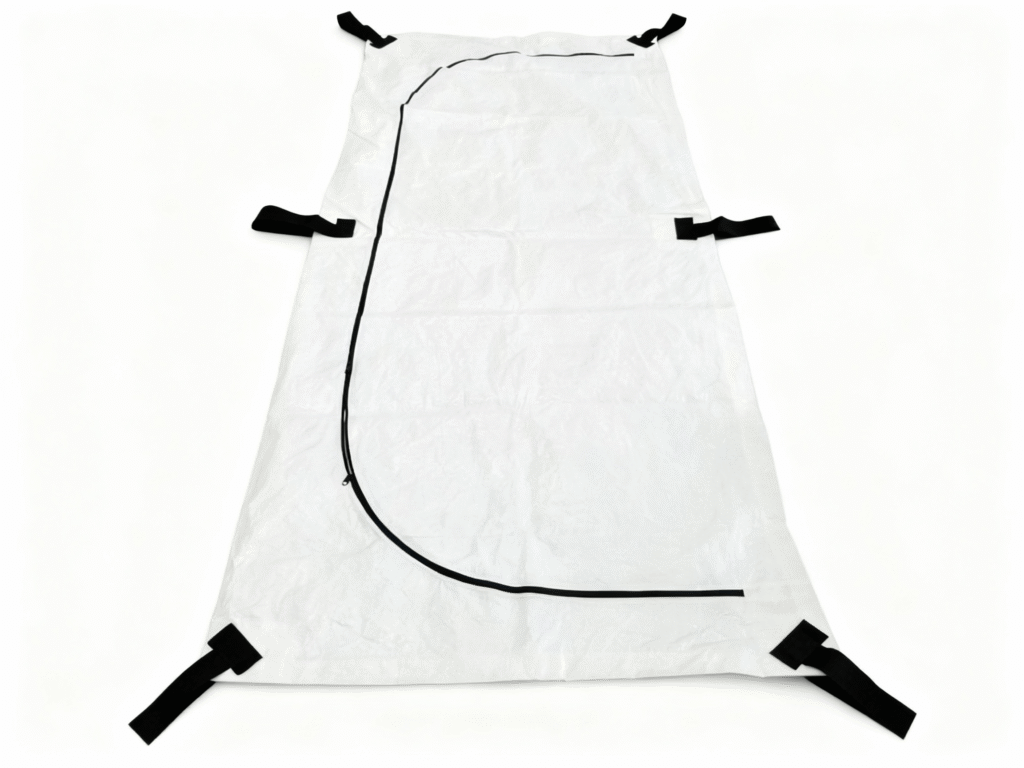
- 4-Handle to 6-Handle Reinforced Containment: Essential for mid-range livestock, large-breed dogs, or smaller wildlife (up to 250 lbs). The handles must be integrated via reinforced heat-sealing bar technology rather than simple stitched points, which tear open under load.
- Jumbo 16-Handle Heavy-Duty Bags: For large wildlife, agricultural animals, or marine mammals. Classic Plastics’ heavy-duty nylon-reinforced PE-SCRIM configurations are engineered to withstand up to 975 lbs of pulling and lifting tension, distributing heavy weight evenly across multi-person retrieval teams.
2. Puncture Resistance: Claws, Hooves, and Rigid Bone Structures
The absolute number-one point of failure in standard medical or budget consumer plastic bags is puncture. Animal remains often feature sharp points of contact—untrimmed claws, rigid hooves, dense teeth, or fractured bones from trauma or field retrieval.
Standard 3 mil or 6 mil non-reinforced PVC bags lack the structural grid memory to isolate a puncture, allowing a tiny tear to instantly zip open across the entire seam under stress.
The Solution: Nylon-Reinforced Polyethylene (PE-SCRIM)
For high-risk environments, facilities should deploy PE-SCRIM material. This technology embeds a high-strength nylon mesh matrix directly between layers of flexible polyethylene film. If a sharp hoof or claw manages to pierce the interior layer, the rip-stop nylon grid stops the tear from spreading, maintaining total liquid-tight containment.
3. Environmental and Disposal Compliance
Selecting a bag requires looking closely at how your lab or facility disposes of the remains. Different disposal technologies interact with plastics in very different ways:
| Disposal / Treatment Method | Ideal Material Choice | Material Restrictions & Pitfalls |
| Traditional Incineration & Cremation | PE-SCRIM / Polyethylene (Chlorine-Free) | Avoid Standard PVC. PVC releases highly toxic, corrosive chlorine gas during combustion, violating EPA Burn-Wise standards and damaging modern retort linings. |
| Alkaline Hydrolysis (Aquamation) | Polyvinyl Alcohol (PVA) | Standard plastics will completely clog the plumbing and pump filtration systems of a flameless water cremation system. Water-soluble PVA dissolves completely during the cycle. |
| Long-Term Cold Storage / Freezing | High-Gauge PEVA or Reinforced PE | Low-grade vinyl gets highly brittle at deep sub-zero temperatures, causing the bag to crack or shatter along the folds when shifted. |
4. Biosecurity and Fluid Containment Protocols
In diagnostic and research pathology, animal remains can harbor severe infectious pathogens—ranging from zoonotic threats like rabies and blastomycosis to highly contagious agricultural threats like Avian Influenza (Bird Flu).
Preventing post-mortem liquid leakage and odor transmission isn’t just about clean floors; it is a fundamental pillar of facility biosecurity.
To guarantee a secure seal:
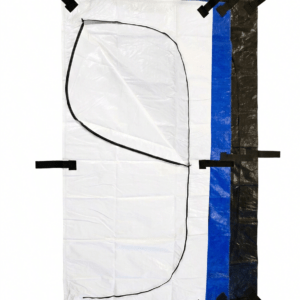
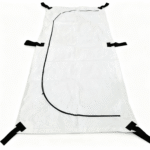
- Envelope vs. Straight Center Zippers: For animals with higher fluid volumes, an envelope-style or U-shape zipper layout allows the container to lay completely flat during loading, preventing fluid from sloshing directly into the zipper tracks.
- Heat-Sealed Bar Seams: Always choose bags with heat-sealed seams rather than traditional sewn stitching. Sewn seams leave thousands of microscopic needle holes through which bacteria, viruses, and body fluids can easily escape.
Technical Sourcing for Labs and Clinics
At Classic Plastics Corp, we understand that veterinary hospitals, university labs, and wildlife agencies manage highly demanding environments. We provide a comprehensive line of eco-friendly, chlorine-free, and heavy-duty animal cadaver bags manufactured to meet rigorous OSHA, EPA, and biohazard containment requirements.
From small, non-handled companion pet cremation bags to massive 16-handle jumbo PE-SCRIM containment systems, we keep bulk inventory ready to ship to keep your facility stocked and compliant.
Need to set up institutional purchasing? Classic Plastics gladly accepts municipal and university Purchase Orders (POs).