Bariatric and heavy-duty lifting capacity solutions refer to the specialized equipment, mechanical assets, and tactical lifting protocols required to safely and respectfully transport high-capacity deceased individuals. In the death care sector, the handling of bariatric remains presents acute operational challenges that demand specialized engineering, meticulous planning, and specific handling techniques to prevent catastrophic workplace injuries and preserve the absolute dignity of the deceased.
The Urgent Need for Heavy-Duty Operational Standards
As average demographic weights continue to shift globally, mortuaries, removal services, and crematories must adapt their infrastructures. Relying on standard-capacity removal tools for heavy-duty transfers poses severe risks to an organization:
- Personnel Injury Prevention: Back strains, disk herniations, and muscle tears are frequent among transport teams. Proper load-rated equipment removes the reliance on sheer physical force.
- Asset Protection: Overloading standard cots, vehicle ramps, or lifting systems can cause sudden mechanical failure, destroying expensive equipment and compromising workplace safety.
- Liability Mitigation: Standardizing bariatric removal procedures ensures compliance with workplace safety boards and protects the organization against worker compensation claims.
Technical Comparison: Standard vs. Heavy-Duty Transport Equipment
Handling high-capacity remains requires tools engineered with reinforced materials and wider dimensions to manage asymmetric weight distribution.
- Operational Feature | Standard Transport Equipment | Heavy-Duty Bariatric Equipment
- Typical Weight Capacity | 350 to 500 lbs | 600 to 1,000 lbs+
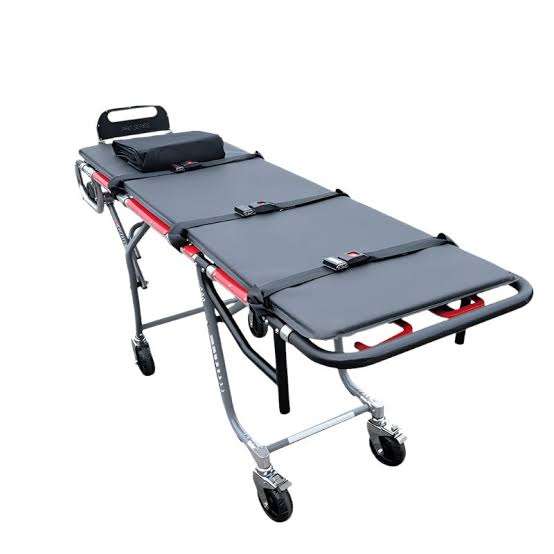
- Frame and Geometry | Standard narrow chassis, manual load | Reinforced steel/aircraft aluminum, extra-wide tracks
- Mechanical Assistance | Manual lifting and cot folding | Hydraulic lift assists, powered winch attachments
- Vehicle Requirements | Standard cargo vans or minivans | Heavy-duty vans with extended beds and structural ramps
Core Best Practices for Heavy-Duty Lifting and Transport
Pre-Arrangement Assessment and Site Scouting
A successful bariatric removal begins with immediate data collection and site assessment before the team arrives on the scene.
- Discretionary Weight Inquiry: When receiving the initial call from a hospital, hospice, or family, dispatchers should tactfully confirm weight estimates to deploy the correct equipment vehicle on the first attempt.
- Architectural Evaluation: Anticipate physical bottlenecks. Identify narrow doorways, tight staircase turns, or residential ramps that cannot support high-capacity loads.
Mechanical Advantage and Ergonomic Control
Physical strength should never be the primary driver of a heavy-duty transfer. Mechanical advantage must be utilized at every stage.
- Hydraulic and Powered Cots: Use cots featuring battery-powered hydraulic lifts that raise and lower the load at the touch of a button, entirely eliminating manual lifting during height adjustments.
- Slide Boards and Friction Reducers: Deploy heavy-duty, low-friction slide sheets or rigid transfer boards to shift remains from a bed to the cot, minimizing the lateral pulling force required by the team.
Bariatric Handling & Equipment Safety Audit
Equipment Capacity Verification
- Load-Rating Confirmation: Check the stamped weight limit on the cot, vehicle ramp, and transfer boards before initiating the transfer.
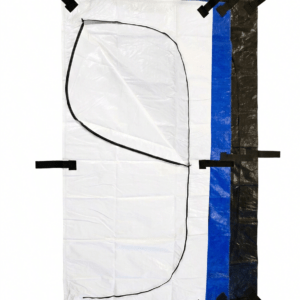
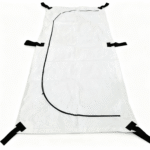
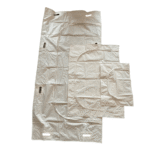
- Extra-Wide Pouch Fleet: Ensure the vehicle is stocked with oversized, heavy-duty bariatric discrete pouches with reinforced webbed handles.
Transport Team Coordination
- Multi-Personnel Dispatch: Never attempt a bariatric removal with fewer than three or four trained personnel, regardless of mechanical assistance.
- Command Communication: Assign a single team member to call out lifting cues (e.g., “Ready, lift on three”) to ensure perfectly synchronized movement.
Vehicle and Loading Security
- Ramp and Winch Inspection: Confirm that vehicle loading ramps are locked into the chassis and that the electronic winch cables are clear of frays.
- Tie-Down Compliance: Utilize commercial-grade floor tracks and heavy-duty ratcheting straps to lock the cot into place within the vehicle cargo area.
Operational Alert: Never substitute standard transport straps for heavy-duty ratcheting restraints. Asymmetric shifts during vehicle transport can cause standard buckles to snap under extreme bariatric loads.
Questions & Answers: Navigating Bariatric Challenges
Q: What should a transport team do if a bariatric decedent is located on an upper floor with no elevator?
A: Do not attempt to carry a heavy-duty cot down stairs manually. Utilize specialized stair chairs designed for high capacities, or contact local emergency services (such as non-emergency fire department assistance) to execute a coordinated, multi-person extraction using specialized rescue tarps or baskets.
Q: How do bariatric dimensions affect the cremation process down the line?
A: Bariatric remains require a dedicated high-capacity retort with a wider door and reinforced hearth. Because fat tissue burns at a highly accelerated rate with high caloric output, crematory operators must manage the introduction sequence carefully, often starting the cremation in a cold retort to prevent temperature spikes and stack smoke.
Q: Are specialized bariatric pouches reusable?
A: No. Heavy-duty bariatric pouches are engineered for single-use to guarantee biohazard containment and structural integrity. Reusing a pouch compromises the stitching and handles, creating an unacceptable safety risk during subsequent transfers.
Safety and Honor Through Engineered Solutions
Bariatric aftercare solutions represent the intersection of advanced mechanical engineering and fundamental human respect. By treating heavy-duty removals as highly technical operations that require specialized equipment, proper staffing levels, and rigorous structural safety checks, transport providers protect their most valuable asset—their staff—while providing a dignified, seamless transition for the deceased.
- Mechanical Reliance: Replace human muscle with load-rated hydraulic and winch systems.
- Collective Staffing: Mandate multi-person teams for any transfer approaching equipment thresholds.
- Total Respect: Utilize properly sized shrouds and extra-wide pouches to ensure the decedent is entirely covered and secure throughout the journey.