
Veterinary aftercare transport is the specialized service of transferring deceased companion animals, exotic pets, and livestock from veterinary clinics, farms, or residential homes to crematories, aquamation facilities, or burial sites. In the professional death care and veterinary sectors, implementing rigorous transport solutions is critical for biohazard containment, staff safety, and honoring the emotional bond between owners and their animals.
The Strategic Value of Professional Aftercare Transport
Managing animal remains requires a precise logistical framework that reflects the professionalism of the referring veterinary practice. Establishing high standards for this service provides several key operational benefits:
- Clinical Trust: Seamless, respectful removal systems reinforce the care a veterinary clinic provides, protecting their reputation long after a patient passes.
- Biosecurity Compliance: Proper containment prevents the spread of zoonotic diseases and agricultural pathogens during the transport of livestock or exotic species.
- Occupational Safety: Utilizing specialized mechanical lifts and secure restraint systems protects transport personnel from workplace strains and injuries.
Technical Comparison: Companion Pet vs. Livestock Transport
The logistics of animal aftercare vary drastically based on the size and environment of the removal.
- Operational Feature | Companion Pet Transport | Livestock & Equine Transport
- Primary Equipment | Puncture-resistant pouches, mobile stretchers | Hydraulic winches, heavy-duty flatbeds, slides
- Containment Priority | Leak prevention and structural discretion | Biosecurity, weather shielding, carcass stability
- Staffing Requirements | 1 to 2 personnel | Multi-person technical team
- Regulatory Oversight | Local sanitation and municipal codes | State departments of agriculture, environmental health
Core Best Practices for Professional Removal
Discretion and Dignity for Companion Animals
For domestic pets, the visual presentation of the transport process deeply impacts grieving owners and clinic staff.
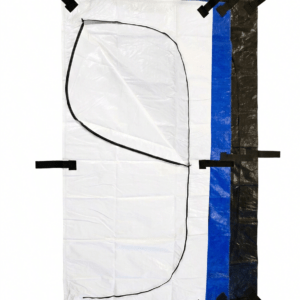
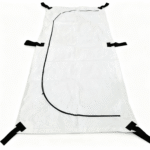
- Professional Pouching: Avoid using crude plastic wraps or bags. Utilize specialized, heavy-duty pet cadaver pouches that feature secure zippers and zero transparency.
- The “Comfort Placement” Protocol: Position the animal in a natural, resting posture inside the carrier. Ensure the transport vehicle’s interior is clean, organized, and shielded from public view.
Technical Rigor for Equine and Large Livestock
The physical scale of horses and livestock demands mechanical assistance and strict biosecurity protocols.
- Mechanical Assistance: Use commercial winches, low-profile trailers, and specialized canvas slides to move large animals smoothly without causing tissue degradation.
- Biosecurity Barriers: When transporting livestock, vehicles must be equipped with leak-proof containment beds to prevent the run-off of bodily fluids along public roadways, which can pose severe agricultural contamination risks.
Animal Transport Protocol & Safety Audit
Identification & Chain of Custody
- ID Tag Verification: Cross-reference clinic paperwork, owner details, and unique tracking numbers prior to movement.
- Aftercare Preference Check: Confirm whether the animal is scheduled for private cremation, communal cremation, aquamation, or burial.
Containment & Bio-Safety
- Leak-Proof Validation: Ensure all companion animal pouches are fully heat-sealed or double-zippered to prevent fluid escape.
- Sanitization Readiness: Equip vehicles with virucidal and bactericidal sprays to thoroughly decontaminate all surfaces post-delivery.
Vehicle & Equipment Readiness
- Climate Control Check: Confirm the vehicle cargo area maintains a cooled, stable temperature during transit to slow decomposition.
- Mechanical Rigging Audit: Inspect all livestock winches, straps, and ramps for structural integrity and weight capacity compliance.
Questions & Answers: Navigating Animal Transport Challenges
Q: How does aquamation affect the choice of transport containment?
A: Aquamation (alkaline hydrolysis) requires remains to be free of synthetic materials. If an animal is transported in a standard synthetic pouch, they must be transferred out of it at the facility. For direct placement, providers should utilize specialized, water-soluble or easily removable natural shrouds.
Q: What steps should be taken if an animal has passed from a highly contagious disease?
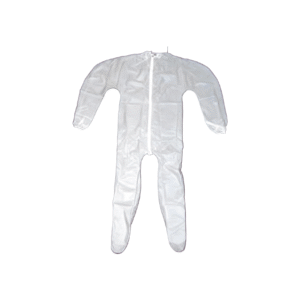
A: The remains must be immediately placed in a heavy-duty, biohazard-rated containment pouch and labeled clearly. The transport team should wear enhanced personal protective equipment (PPE), and the veterinary facility’s isolation protocol must be followed to the letter during the handoff.
Q: Can domestic pet and agricultural livestock transport be handled by the same vehicle?
A: Technically yes, but only if the vehicle features entirely separate containment compartments and undergoes rigorous, medical-grade sanititization between calls. Most highly efficient operations separate their fleets into dedicated companion pet vans and heavy-duty utility trailers for livestock to maintain public discretion and biosecurity.
Elevating the Standard of Compassion
Professional veterinary aftercare transport bridges the gap between clinical medicine and final disposition. By executing removals with technical precision, adhering to strict sanitary guidelines, and treating every animal with uncompromised respect, transport operators protect the welfare of their personnel and the integrity of the death care profession.
- Dignified Separation: Utilize high-quality, opaque pouches for domestic pets.
- Mechanical Precision: Protect staff by using proper winches and lifts for large animals.
- Absolute Accountability: Maintain rigorous digital tracking to guarantee owners receive the correct remains.