
Veterinary medicine has spent the last decade redefining what care looks like — not just for the animals in the exam room, but for the planet those animals share with us. Sustainability pledges are no longer a marketing afterthought for veterinary hospitals and clinics. They are showing up in mission statements, in client-facing materials, and in the procurement decisions practice owners make every single day.
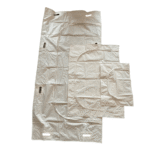
And yet one category gets overlooked more often than it should: end-of-life care products. Pet aftercare bags — the products used in the most sensitive moment a veterinary practice handles — are still, in many clinics, made from standard PVC plastic. That is starting to change. PVC-free pet bags are emerging as both a values statement and a practical sustainability commitment, and the alignment between this product category and the broader veterinary sustainability movement runs deeper than most practices realize.
This piece explores why that alignment matters, what PVC-free actually means in material terms, and how veterinary practices are weaving this decision into their broader environmental commitments.
The Veterinary Sustainability Movement Is No Longer Optional
Pet owners are paying attention. A growing share of veterinary clients actively research a practice’s environmental values before booking — particularly younger pet owners who already factor sustainability into nearly every purchasing decision they make. Veterinary hospitals have responded with formal sustainability pledges: reduced single-use plastics, responsibly sourced medical supplies, energy-efficient facility upgrades, and waste reduction programs.
Where Sustainability Pledges Typically Focus First
- Reducing single-use plastic in exam rooms and surgical suites
- Transitioning to biodegradable or recyclable packaging for retail products
- Energy-efficient HVAC and lighting upgrades across hospital facilities
- Responsible pharmaceutical waste disposal programs
- Partnering with eco-conscious suppliers across the full product chain
What is often missing from this list — and what deserves a place on it — is end-of-life care. The products used in a pet’s final moments carry as much emotional weight as any other part of the veterinary relationship, and increasingly, practices are recognizing that sustainability values should not stop at the door of the exam room.
What PVC-Free Actually Means — Beyond the Marketing Term
PVC, or polyvinyl chloride, has been a workhorse material in plastics manufacturing for decades because it is durable, low-cost, and easy to produce at scale. It is also one of the most environmentally problematic plastics in production and disposal. Understanding why matters for any practice evaluating its supply chain.
Why PVC Raises Environmental Concerns
- Production byproducts: PVC manufacturing releases dioxins, a class of highly persistent environmental toxins linked to long-term ecological harm
- End-of-life disposal: PVC does not biodegrade. It persists in landfills for centuries and, when incinerated, can release additional harmful compounds
- Recycling limitations: PVC is one of the most difficult plastics to recycle — most municipal recycling programs do not accept it, meaning PVC products almost always end up in landfills
What PVC-Free Alternatives Are Made From
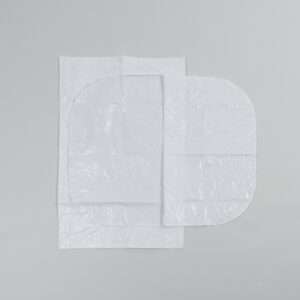
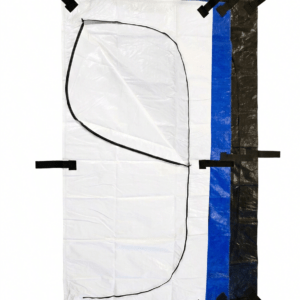
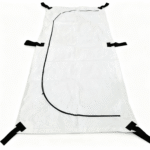
PVC-free pet aftercare bags are typically manufactured from alternative polymer blends — including biodegradable polyethylene formulations, plant-based bioplastics, or recycled and recyclable polyethylene that avoids the chlorine-based chemistry that makes PVC so persistent in the environment.
- Biodegradable polyethylene blends that break down significantly faster than standard PVC under landfill conditions
- Plant-based bioplastic formulations derived from renewable feedstocks rather than petroleum
- Recyclable polyethylene that integrates into standard municipal recycling streams — something PVC cannot do
The material science matters because it determines whether a ‘sustainable’ product claim is substantive or simply branding. Practices evaluating suppliers should ask specifically what alternative material is used and request documentation on biodegradability timelines and end-of-life disposal pathways.
Why This Product Category Carries Outsized Emotional Significance
Sustainability decisions in most parts of a veterinary practice are operational — a recycling bin, an energy-efficient bulb, a packaging switch. Pet aftercare products are different. They are used during the single most emotionally significant moment a practice shares with a client. That context changes the weight of the decision.
What Pet Owners Notice — Even When They Don’t Ask
Most pet owners never explicitly ask what material an aftercare bag is made from. But practices that have made the switch report something consistent: when sustainability values are visible and communicated — even subtly, through signage or staff conversation — it reinforces trust at a moment when trust matters most. A practice that has clearly thought through every detail of end-of-life care, including environmental impact, signals a level of care that pet owners remember.
Aligning Values Across the Entire Client Relationship
- Consistency builds credibility: a practice that promotes sustainability in its marketing but uses standard PVC products in its most sensitive moments creates a values gap that attentive clients will eventually notice
- End-of-life care reflects practice philosophy: how a clinic handles this moment — materials included — communicates its broader approach to care, even when unspoken
- Staff morale and alignment: veterinary staff who chose this profession out of care for animals often respond positively to leadership decisions that extend that care to environmental responsibility
How Practices Are Communicating This Shift to Clients
Making the switch to PVC-free aftercare products only delivers brand value if it is communicated thoughtfully. Practices that do this well tend to integrate the message into broader sustainability storytelling rather than treating it as an isolated announcement.
- Sustainability page additions: many practices now include end-of-life care materials as a line item on their website sustainability page, alongside other environmental commitments
- Staff training and talking points: front-desk and clinical staff are equipped to mention the practice’s PVC-free aftercare commitment naturally, when appropriate, without it feeling like a sales pitch
- Certification and badge display: where applicable, biodegradable or eco-certification badges on practice materials reinforce the claim with third-party credibility
- Annual impact reporting: some larger veterinary groups now include aftercare material sourcing in their annual sustainability or impact reports shared with clients and the community
Evaluating Suppliers: What to Ask Before You Switch
Not every product marketed as ‘eco-friendly’ meets a meaningful sustainability standard. Practices considering a switch should evaluate suppliers with the same rigor they apply to any clinical product decision.
- Material transparency: request specific documentation on what alternative polymer or bioplastic is used, not just a general ‘eco-friendly’ claim
- Biodegradability data: ask for testing data or third-party certification on biodegradation timelines under standard disposal conditions
- Performance parity: confirm that PVC-free materials meet the same durability, leak resistance, and handling standards your practice requires — sustainability should not come at the cost of functional reliability
- Domestic manufacturing: consider supply chain sustainability as well — domestic manufacturing reduces transportation emissions compared to overseas sourcing
- Pricing transparency: understand the true cost difference, if any, and evaluate it against the brand and client trust value the switch delivers
Frequently Asked Questions
Q1: Are PVC-free pet aftercare bags as durable and leak-resistant as standard PVC bags?
Quality PVC-free alternatives, particularly biodegradable polyethylene blends and reinforced bioplastic formulations, are engineered to meet comparable durability and leak-resistance standards. Performance can vary by manufacturer, so practices should request product specifications and, where possible, samples to test under their own handling conditions before making a full transition.
Q2: How much does switching to PVC-free pet bags typically cost compared to standard products?
Pricing varies by manufacturer, material formulation, and order volume. In some cases, PVC-free alternatives carry a modest premium due to material sourcing; in others, pricing is comparable to standard products, particularly as production scale increases across the industry. Practices should request a direct cost comparison from their supplier alongside material specifications to make an informed decision.
Q3: Do PVC-free pet bags fully biodegrade, and how long does that process take?
Biodegradation timelines depend on the specific material formulation and disposal conditions. Biodegradable polyethylene blends and plant-based bioplastics generally break down significantly faster than standard PVC, which can persist for centuries. Exact timelines vary by product — practices should request third-party testing data or certification from their supplier rather than relying on general marketing claims.
Q4: How can a veterinary practice communicate a PVC-free aftercare commitment to clients without it feeling like a sales pitch?
The most effective approach is integration, not announcement. Adding the commitment to an existing sustainability page, briefing front-desk and clinical staff to mention it naturally when relevant, and including it in annual practice updates tend to land better than a standalone promotional push. Clients generally respond best when sustainability values feel like a consistent part of practice culture rather than a marketing campaign.
Q5: Where can veterinary practices source PVC-free, eco-friendly pet aftercare bags?
Practices should look for manufacturers with documented material transparency, biodegradability testing data, and a track record serving veterinary and pet aftercare markets specifically. Classic Plastics Corp manufactures PVC-free pet aftercare products domestically and provides full material documentation to support practices building out their sustainability commitments. Contact our team directly to request samples and specifications.
Summary
Veterinary sustainability pledges have expanded well beyond recycling bins and energy-efficient lighting — and pet aftercare products deserve a place in that evolution. PVC-free bags address a real environmental problem, support the values practices are already publicly committing to, and reinforce client trust at one of the most emotionally significant moments in the veterinary relationship.
- PVC manufacturing and disposal carry documented environmental costs — production toxins, landfill persistence, and recycling limitations
- PVC-free alternatives use biodegradable polyethylene blends, plant-based bioplastics, or recyclable polyethylene formulations
- End-of-life care products carry outsized emotional weight, making values alignment in this category especially meaningful to clients
- Practices communicating this shift effectively integrate it into existing sustainability storytelling rather than treating it as a standalone announcement
- Supplier evaluation should include material transparency, biodegradability data, performance parity, and domestic manufacturing considerations
For veterinary practices serious about sustainability, the products used in a pet’s final moments are not an exception to that commitment. They are an extension of it.
Bring Your Sustainability Values Into Every Part of Your Practice
Classic Plastics Corp manufactures PVC-free, eco-friendly pet aftercare bags domestically, with full material transparency and documentation to support your practice’s sustainability commitments. We partner with veterinary hospitals, clinics, and pet aftercare providers nationwide who refuse to compromise on care — for their clients or for the planet.