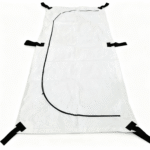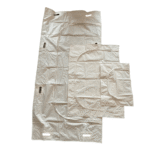
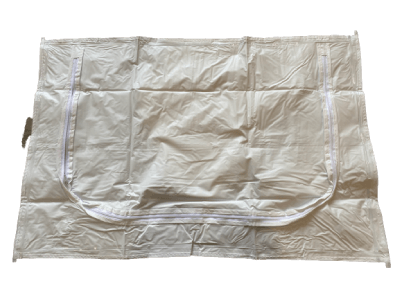
When managing pet cremations, using non-cremation-safe plastics in the retort can cause severe operational issues—ranging from thick black smoke emissions and hazardous chemical releases to damaged equipment and regulatory fines.
To ensure your partner facilities receive 100% cremation-safe polyethylene (PE) or polyolefin bags, establish clear material standards, verify manufacturing specs, and streamline your supply chain.
Key Steps to Guarantee 100% Cremation-Safe Compliance
1. Verify the Chemical Composition
- Polyethylene (PE) & Polyolefin Only: Ensure bags are manufactured from pure PE or specialized polyolefin films. When burned at crematory temperatures, high-grade PE breaks down cleanly into harmless water vapor and carbon dioxide ($CO_2$).
- Strictly Avoid Chlorinated Plastics: Never send PVC (Polyvinyl Chloride) or vinyl bags to a crematory. PVC releases toxic hydrochloric acid ($HCl$) gas and dioxins, which corrode retort linings and trigger environmental compliance violations.
2. Require Supplier Documentation & Spec Sheets
- Ask your bag manufacturer or distributor for a Certificate of Conformance (CoC) or technical specification sheet explicitly stating the bags are Cremation-Safe, Chlorine-Free, and Halogen-Free.
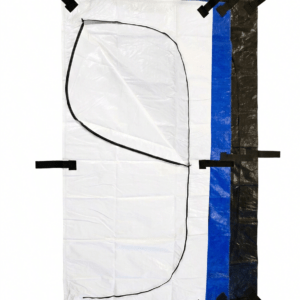
- Verify that any pigments, zippers, or ties used on the bag are also crematory-compliant and halogen-free.
3. Establish Clear Veterinary & Facility Protocols
- Color-Coding & Labeling: Implement a visual identification system (e.g., color-coded bags or bold “CREMATION SAFE” printed labels) so staff at both the clinic and the crematory instantly know the bag is safe to incinerate.
- Separation of Services: Ensure staff use distinct bags for communal versus private cremations to avoid mix-ups, keeping crematory-safe specs uniform across all sizes.
4. Partner with Specialized B2B Manufacturers
- Source directly from vendors experienced in veterinary and mortuary plastics (like Classic Plastics or similar institutional suppliers). General trash liners or retail bags often contain unknown fillers, plasticizers, or chlorine agents that compromise crematory air quality.
Comparison of Bag Materials for Pet Cremation
| Material | Cremation Safe? | Emissions Profile | Retort Impact |
| Pure Polyethylene (PE) | Yes (100%) | Clean burn (CO2 + H2O) | Zero residue or lining damage |
| Polyolefin (PEVA) | Yes | Chlorine-free, low-smoke | Safe for high-heat incinerators |
| PVC / Vinyl | NO | Toxic H CI gas & heavy smoke | High corrosion to crematory walls |
Pro Tip for Facility Managers: Always conduct a periodic audit of your bag inventory. A single non-compliant bag accidentally placed in a communal crematory batch can taint an entire run and cause costly downtime for your crematory partners.